
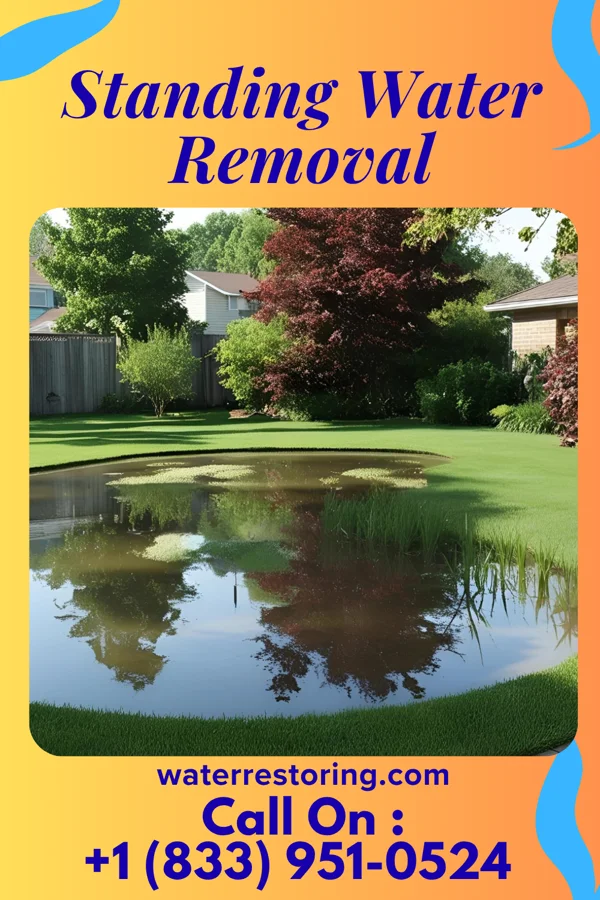
Standing Water Across Burr Ridge Neighborhoods
Every neighborhood in Burr Ridge has a different water damage risk profile. The one that shows up on most restoration calls is In Burr Ridge, Illinois, the primary water damage cause is often due to plumbing leaks, particularly from aging pipes and burst water heaters, which are common in suburban homes. Additionally, heavy rainfall during spring and summer can lead to basement flooding, especially in areas with poor drainage.. A close second is Secondary causes include sewer backups from overwhelmed municipal systems, roof leaks during severe weather events, and water intrusion from nearby bodies of water such as the Des Plaines River. These issues are exacerbated by the area's flat terrain and dense suburban development..
Burr Ridge experiences a humid continental climate with frequent thunderstorms and heavy rainfall, increasing the risk of water damage. The area's proximity to major waterways and its suburban layout contribute to unique challenges in water removal and mold prevention.
Water damage in Burr Ridge follows a few local patterns. In Burr Ridge, Illinois, the primary water damage cause is often due to plumbing leaks, particularly from aging pipes and burst water heaters, which are common in suburban homes. Additionally, heavy rainfall during spring and summer can lead to basement flooding, especially in areas with poor drainage. accounts for the bulk of our calls. Burr Ridge experiences a humid continental climate with frequent thunderstorms and heavy rainfall, increasing the risk of water damage. The area's proximity to major waterways and its suburban layout contribute to unique challenges in water removal and mold prevention. Mold growth in Burr Ridge can occur within 48 hours of water exposure, making rapid response critical. The region's humidity and frequent temperature fluctuations create an ideal environment for mold to spread quickly, especially in older or poorly ventilated homes.